Heatwaves Strain Power Grids as Data Centre Demand Peaks
Heatwaves across China, the US, Canada, France and the UK in 2025 are creating operational challenges for power grids that supply data centres, with electricity demand growth reaching levels not seen for two decades.
The first quarter of 2025 recorded the second warmest temperatures on record globally, according to World Meteorological Organisation data.
Keisuke Sadamori, IEA Director of Energy Markets and Security, says: “Growth in global electricity demand this year and next is set to be among the fastest in the past two decades, highlighting the growing role of electricity in our economies as well as the impacts of severe heatwaves.”
The IEA's July 2024 Electricity Mid-Year Update identifies this trend as a critical factor for energy market stability.
Human-caused climate change has increased the frequency and intensity of heatwaves since the 1950s, creating compounding pressure on electrical infrastructure that supports data centre operations.
As a result, power markets are experiencing strain as cooling demand spikes coincide with reduced generation efficiency from traditional power sources.
Ember data shows cooling demand drives 37% of US electricity growth
Analysis from thinktank Ember reveals that heatwaves across China, the US and India in 2024 added tens of terawatt-hours to electricity demand during summer months.
The organisation’s research shows 37% of the increase in electricity demand in the US from April to September 2024, compared to the same period in 2023, was due to higher air cooling needs.
This surge in demand led to increased coal and gas electricity generation to meet requirements, potentially affecting power pricing and carbon emissions for data centre operators who rely on consistent electricity supply.
The analysis highlights how temperature fluctuations directly impact operational costs for facilities with high power density requirements.
“The solution is twofold: scale up efficient AC adoption to cut costs and ease peak demand, and invest in clean, flexible power to keep grids resilient as extreme weather intensifies,” said Kostantsa Rangelova, Global Electricity Analyst at Ember.
“The crisis is accelerating – our response must, too.”
A need for grid stability
High temperatures can make power plants less efficient, particularly those that rely on water for cooling – like data centres.
If cooling water is too warm or insufficient, some plants may have to reduce output or even shut down. For instance, in Switzerland, a June heatwave caused Axpo’s Beznau nuclear power plant, cooled by water from the River Aare, to halve its output.
Protecting valuable equipment
Infrastructure components face physical stress during heatwave conditions that can compromise power delivery reliability.
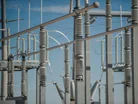
For example, transmission lines and transformers can overheat, with prolonged exposure to extreme heat degrading performance, increasing electrical resistance and potentially leading to equipment failures or fires.
Aggreko recently explained that, as temperatures continue to spike across the UK and Republic of Ireland, there is inevitable strain on HVAC systems across industries. This results in further demand on contractors to provide reliable and efficient temporary solutions while balancing vital maintenance and upgrade schedules.
The UK Government in particular has identified that extreme temperatures cause expansion in overhead lines, prevent efficient heat dissipation and affect tensile strength. Hot weather increases resistance in power lines, reducing transmission efficiency over long distances and potentially constraining power delivery to high-demand facilities.

Such a combination of infrastructure vulnerabilities can cause widespread outages that pose operational risks for data centres requiring uninterrupted power supply.
Blackouts during heatwaves can create compounding challenges as facilities lose access to both grid power and ambient cooling conditions simultaneously.
“It’s encouraging to see clean energy’s share of the electricity mix continuing to rise, but this needs to happen at a much faster rate to meet international energy and climate goals,” Keisuke explains.
“At the same time, it’s crucial to expand and reinforce grids to provide citizens with secure and reliable electricity supply – and to implement higher energy efficiency standards to reduce the impacts of increased cooling demand on power systems.”
Explore the latest edition of Data Centre Magazine and be part of the conversation at our global conference series, Tech & AI LIVE.
Discover all our upcoming events and secure your tickets today.
Subscribe to our Weekly Newsletter for the latest insights, trends and expert analysis.
Data Centre Magazine is a BizClik brand