Europe’s Data Centre Industry and the Sustainability Shift
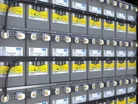
According to Gerrit Barnard, Director, Sales - EMEA, C&D Technologies, resilient power infrastructure, especially battery technology, can improve efficiency, longevity and circularity while lowering emissions and supporting future-ready digital growth.
In this op-ed for Data Centre Magazine, Gerrit explores how the European data centre sector is leaning into comprehensive sustainable strategies.
Speed of change
Europe’s data centre market is changing fast. As demand for cloud services, AI, digital platforms and edge infrastructure grows, operators are expected to do more than deliver uptime and capacity. They must now show real progress on sustainability, ESG performance, and long-term operational responsibility.
That shift is being driven by regulation, customer expectations, investor scrutiny and wider societal pressure.
Across Europe, sustainability has moved from a differentiator to a baseline requirement. Operators are under increasing pressure to cut carbon intensity, improve energy efficiency, use resources responsibly and manage the full lifecycle of critical infrastructure.
Regulatory pressure and ESG expectations in Europe
The European Green Deal, national energy-efficiency measures, and reporting frameworks such as the Corporate Sustainability Reporting Directive (CSRD) are changing how infrastructure is planned, financed, and operated. Resilience and performance still matter, but they are no longer enough on their own. Facilities must now prove they can support digital continuity with lower environmental impact.

That is especially important in data centres, where power infrastructure sits at the heart of both reliability and sustainability.
Backup systems, particularly UPS batteries, are often seen only through the lens of continuity. In reality, they also affect energy efficiency, maintenance, lifecycle emissions, and end-of-life waste. Power resilience is therefore not only a technical issue; it is an ESG issue too.
Too often, power infrastructure is chosen mainly on upfront cost or short-term performance. That approach can leave a gap between sustainability ambition and operational reality. Closing that gap means taking a broader view of resilience – one that includes efficiency, recyclability and total lifecycle impact.
Power resilience as a sustainability lever
A well-designed battery solution can improve performance while reducing waste, lowering replacement frequency, and supporting better resource use. For operators looking to strengthen ESG credentials without compromising uptime, battery choice can influence both technical and sustainability outcomes.
At C&D Technologies, the focus has been on battery solutions that align reliability with sustainability. Pure lead battery technology is one example. Designed for high efficiency and low internal resistance, these batteries help UPS systems operate more effectively during charge and discharge cycles, cutting energy losses and improving overall power performance.
In data centres, battery replacement is not just a cost issue – it also affects emissions, maintenance activity and operational continuity. C&D’s pure lead battery portfolio is designed to reduce battery replacements by up to 40%, supported by advanced grid design, proprietary lead-paste technology, and catalyst systems that help extend service life. Fewer replacements mean less material use, fewer transport movements, lower environmental impact and less disruption to operations.
Those gains matter more as organisations assess infrastructure through a full lifecycle lens. A battery that performs well but creates unnecessary waste or needs frequent replacement does not fit modern ESG expectations. Operators are increasingly focused not just on how an asset performs, but on how it is maintained, replaced, and ultimately recycled.
Lead-acid batteries, including pure lead designs, are among the most recycled products in the world. Around 98% of a lead-acid battery can be recycled, with up to 80% of its content reused in new battery production. That high level of recoverability supports Europe’s circular economy goals and helps operators demonstrate responsible resource management in ESG reporting.
Reliable backup power protects not only data and facilities, but also the businesses, public services, and communities that depend on digital infrastructure. Battery reliability supports digital trust, service continuity, and wider economic resilience, helping organisations reduce the impact of outages and maintain confidence in critical systems.
Beyond the facility walls
Operators are also looking more closely at the ESG performance of their supply chains. Products must not only perform technically; they must also come from manufacturers that are transparent about emissions, energy use, waste reduction, and recycling. Suppliers that can show clear sustainability metrics are becoming increasingly valuable partners in a more demanding reporting environment.

For the data centre industry, the message is clear: sustainability must be designed into infrastructure decisions from the start, not added later. As ESG expectations rise across Europe, operators will increasingly need technologies and partners that support resilience, efficiency, circularity, and transparency together.
The future of Europe’s data centres will be defined not only by the digital capacity they provide, but by how responsibly that capacity is delivered. Those that combine operational resilience with measurable sustainability performance will be best placed to meet stakeholder expectations, comply with regulation, and support the continued growth of the digital economy.
Disclaimer: Performance results may vary depending on system configuration, operating conditions, and application. Environmental impact outcomes depend on broader infrastructure and operational factors.
Company portals

Executives
Gerrit Barnard
Director, Sales - EMEA