
Google Taps Hydro Power to Fuel Data Centre Expansion
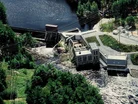
Google has signed a long-term hydroelectric power agreement with Brookfield Asset Management and Brookfield Renewable to secure up to 3,000 MW of carbon-free energy for its data centre operations in the United States.
The Hydro Framework Agreement (HFA), the first of its kind, marks a major move in the digital infrastructure sector’s shift toward reliable, clean energy sources.
The project will focus initially on Brookfield’s Holtwood and Safe Harbor hydroelectric facilities in Pennsylvania. Combined, these assets represent more than US$3bn of energy contracts and 670 MW of generating capacity.
The wider deal gives Google long-term access to electricity from hydroelectric plants that will be relicensed, upgraded or overhauled for continued power generation.
Hydropower to meet hyperscale energy demand
The agreement aims to support Google’s strategy of running its operations on 24/7 carbon-free energy, while helping Brookfield deliver flexible clean energy solutions to large-scale digital customers.
Hydroelectric power, which relies on the flow of water rather than fuel combustion, offers reliable and weather-independent generation when compared to solar or wind energy.
Connor Teskey, President of Brookfield Asset Management, says: "Our partnership with Google demonstrates the critical role that hydropower can play in helping hyperscale customers meet their energy goals. Delivering power at scale and from a range of sources will be required to meet the growing electricity demands from digitalisation and artificial intelligence."
Under the agreement, the companies will concentrate on the mid-Atlantic (PJM) and mid-continent (MISO) electricity markets, with the potential to expand to other regions in the future.
Google will source power directly from Brookfield’s hydroelectric sites in these markets through 20-year power purchase agreements, ensuring consistent supply for its digital infrastructure in areas with heavy demand.
The facilities in question are being relicensed to extend their operational life. As part of the arrangement, Brookfield will maintain its existing commitments to other electricity consumers, while also providing additional clean energy for Google’s growing data centre footprint.
Securing clean, consistent power for digital infrastructure
The choice of hydropower supports Google’s broader data centre strategy, which includes decarbonising its electricity use and building regional resilience across its network.
Amanda Peterson Corio, Head of Data Center Energy at Google, says: "At Google, we’re dedicated to responsibly growing the digital infrastructure that powers daily life for people, communities and businesses.
"This collaboration with Brookfield is a significant step forward, ensuring clean energy supply in the PJM region where we operate. Hydropower is a proven, low-cost technology, offering dependable, homegrown, carbon-free electricity that creates jobs and builds a stronger grid for all."
And as long as precipitation and water flow levels persist, hydroelectric power generation replenishes naturally, allowing for repeated use without depletion.
According to the US Department of Energy, hydroelectric stations can match supply to demand by adjusting water flow, giving them an edge in grid stability compared to variable sources like wind and solar.
Economically, hydropower is also known for low operational costs once built. Plants often run for decades and provide additional benefits such as flood control, irrigation, water supply and recreation.
These long-term advantages help support both the energy grid and the surrounding communities.

Infrastructure investment to support AI and cloud growth
As demand for data centre capacity rises across North America—fueled by AI, cloud services and digital platforms—energy sourcing has become central to infrastructure planning.
Hydropower offers both the reliability and scalability needed for such environments, making it increasingly relevant to operators with large portfolios.
The International Energy Agency (IEA) states that hydroelectricity currently generates more electricity globally than all other renewable technologies combined. It is expected to remain the world’s largest source of renewable power well into the 2030s.
"Clean firm hydroelectricity will continue to strengthen U.S. grids and support local communities,” writes Amanda on LinkedIn.
“Our agreement with Brookfield will deliver up to 3,000 MW of carbon-free hydroelectric capacity across the United States. This is a monumental step in Google’s efforts to secure dependable, homegrown, carbon-free electricity that creates jobs and builds a stronger grid for all."