
Portugal’s Data Centres Forecast €26bn GDP Boost by 2030
Portugal’s data centre industry stands to inject as much as €26bn (US$30.4bn) into the national economy by 2030, with up to 50,000 full-time jobs supported every year, according to new research from Copenhagen Economics.
The report, Assessment of the Socio-Economic Benefits of the Data Center Sector in Portugal, outlines how demand for AI and cloud-based services is pulling more investment into the sector and positioning Portugal as a digital hub for Europe.
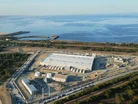
Start Campus, the company behind the 1.2 GW SINES DC campus, is already laying down the infrastructure to meet this rising demand.
With its first building, SIN01, now operational, the site is designed to support energy-efficient and resilient IT operations. AI applications are expected to dominate the computing capacity needs of the decade, making these developments central to Portugal’s wider economic progress.
AI growth fuels sector expansion
The study anticipates that by 2030, about 70% of computing capacity will be tied to AI workloads. That figure underscores the importance of high-performance, scalable data centres to accommodate the growing digital requirements of both businesses and public services.
Annual demand for computing is set to grow 33% a year through to 2030, according to the report.
The study also notes that the rollout of AI, big data and cloud services hinges on robust, efficient data processing environments. Any lag in infrastructure could impact the broader digital transformation of public services and the private sector.

Between 2022 and 2024, Portugal’s data centres already added €311m (US$363m) to its GDP and supported around 1,700 jobs each year.
But these numbers are just the beginning. With the right investment environment, the potential leaps considerably. The report outlines a wider ecosystem benefit as well, with data centres helping to retain skilled workers, support regional development and expand educational opportunities.
Portugal is home to about 230,000 information and communications technology (ICT) professionals, alongside a high rate of graduates in science, technology, engineering and maths (STEM). This existing talent pool strengthens Portugal’s credentials as a serious contender in AI and cloud infrastructure.

Portugal’s competitive edge: Energy and connectivity
Portugal’s energy mix and geographic location provide significant advantages, according to Copenhagen Economics.
Its report notes that electricity costs are around 30% below the European average, while 87.5% of total net generation comes from renewable sources. Access to green energy is now a major decision point for digital infrastructure operators under pressure to meet environmental targets.
Data centres on Portugal’s Atlantic coast also benefit from natural cooling conditions. The use of seawater for temperature regulation can lower both freshwater consumption and energy bills, keeping operational costs down.
The country’s strategic location also bolsters its connectivity credentials. Approximately 25% of the world’s submarine cables pass through Portugal. With 92% fibre optic coverage, Portugal has the third strongest network in the EU.
“Portugal has all the right conditions to establish itself as a leading digital and AI hub in Europe: strategic connectivity, clean energy, and a highly skilled workforce. This study confirms that, with the right public policies, data centres can become a driver of economic growth and territorial cohesion,” says Robert Dunn, CEO of Start Campus.
Policy will decide the scale of impact
While the numbers are promising, the study cautions that outcomes will depend on government action.
To unlock the projected benefits, the report lists five key areas where policy could make a difference. These include:
- Ensure predictability and access to the electrical grid and components such as chips
- Streamline licensing processes for both technological and energy infrastructures
- Develop targeted measures for data centre investment
- Promote digitalisation nationwide
- Encourage AI adoption across the business sector and public administration
The Copenhagen Economics analysis is built on an Input-Output macroeconomic model using data from Eurostat, the OECD and national sources. Interviews with over 15 stakeholders — among them ANACOM, FCT and various international tech firms — also inform the findings.
Dr Bruno Basalisco, Director at Copenhagen Economics, says: “Portugal is emerging as a key European destination for data centre investments, yet achieving its fullest potential cannot be taken for granted given intense international competition to host digital infrastructures. There are already significant economic benefits from existing data centres alone, which represents a fraction of future opportunities.”