Proactive Cooling Maintenance Protects Data Centre Uptime
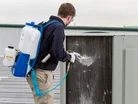
Data centre uptime depends on cooling system performance
Data centres rely on cooling infrastructure operating efficiently around the clock.
As server densities and thermal loads continue to rise, HVAC systems including cooling towers, chillers, condenser tubes, coils and heat exchangers play a direct role in maintaining uptime, energy efficiency and operational reliability.
These systems are not “set-and-forget” assets. Over time, scale, sludge, fouling, debris and biological growth accumulate throughout cooling systems, reducing heat transfer efficiency and forcing equipment to work harder to maintain temperatures.
When cooling systems become fouled, energy consumption rises, equipment strain increases and the risk of downtime grows. Even small efficiency losses can create major operational challenges in high-demand data centre environments.
For facility managers and operators, proactive maintenance is essential for maintaining cooling performance and reducing operational risk.
There is no single maintenance schedule that applies to every facility. Cooling system maintenance frequency depends on operational demands, environmental conditions, system criticality and overall thermal load. However, most data centres benefit from a layered preventive maintenance approach designed to maintain cooling efficiency year-round.
Baseline preventive maintenance includes:
Monthly inspections and operational checks
Routine inspections help identify airflow restrictions, fouling, water quality concerns and early signs of performance decline before they impact operations. This includes reviewing coils, condenser performance, cooling tower conditions, filters, pumps and airflow throughout the cooling system.
Quarterly maintenance and cleaning
Quarterly maintenance typically includes cleaning coils, inspecting cooling towers, reviewing water systems, checking heat exchangers and addressing buildup before it significantly impacts heat transfer efficiency. Seasonal inspections are particularly important before periods of peak cooling demand.
Annual deep maintenance and system optimisation
Annual maintenance should include deeper cleaning and restoration activities such as condenser tube cleaning, chemical descaling, cooling tower basin cleaning and system performance verification. These procedures help restore thermal efficiency, reduce energy consumption and extend equipment life.
Facilities that delay or minimise preventive maintenance often experience reduced cooling efficiency, increased utility costs, shortened equipment life and a higher likelihood of unplanned downtime. In environments where uptime is mission-critical, reactive maintenance strategies can quickly become costly.
The impact of fouled cooling systems
Scale buildup inside condenser tubes reduce heat transfer and forces chillers to consume more energy. Dirty cooling towers restrict water flow and cooling capacity, while fouled coils reduce airflow and place additional strain on HVAC systems.
These inefficiencies often develop gradually, making them difficult to detect until cooling performance declines or energy costs increase.
Proactive maintenance helps restore system efficiency before performance losses become critical.

What benefits does proactive cooling system maintenance deliver?
Well-executed HVAC maintenance supports data centre operations across three critical areas: efficiency, reliability and risk reduction.
Efficiency benefits
- Improved heat transfer and airflow performance
- Reduced energy consumption and operating costs
- Better cooling capacity across chillers, towers and coils
Reliability benefits
- Reduced strain on cooling equipment
- Extended equipment life and improved system stability
- Lower likelihood of unexpected failures or emergency shutdowns
Risk reduction benefits
- Reduced risk of downtime caused by declining cooling performance
- Greater confidence during peak thermal demand
- Improved alignment with preventive maintenance and operational reliability standards
Supporting proactive HVAC maintenance
For 60 years, Goodway Technologies has supported HVAC and facility maintenance professionals with solutions designed to improve cooling system performance and simplify maintenance procedures.
This includes technologies for cooling tower cleaning, rotary tube cleaning, coil cleaning and chemical descaling used throughout data centre cooling infrastructure.
- RAM® rotary tube cleaning systems help restore chiller efficiency by removing scale and fouling from condenser tubes.
- Cooling Tower cleaning systems like the TowerVac® system allows operators to clean cooling tower basins without taking systems offline
- CoilPro® Coil cleaning systems improve coil cleaning effectiveness without damaging delicate fins.
- Chemical descaling solutions (such as ScaleBreak) help to address mineral scale in boilers, chillers and heat exchangers.
As cooling demands continue to increase, proactive HVAC maintenance remains critical for reducing energy consumption, improving reliability and protecting data centre uptime.