
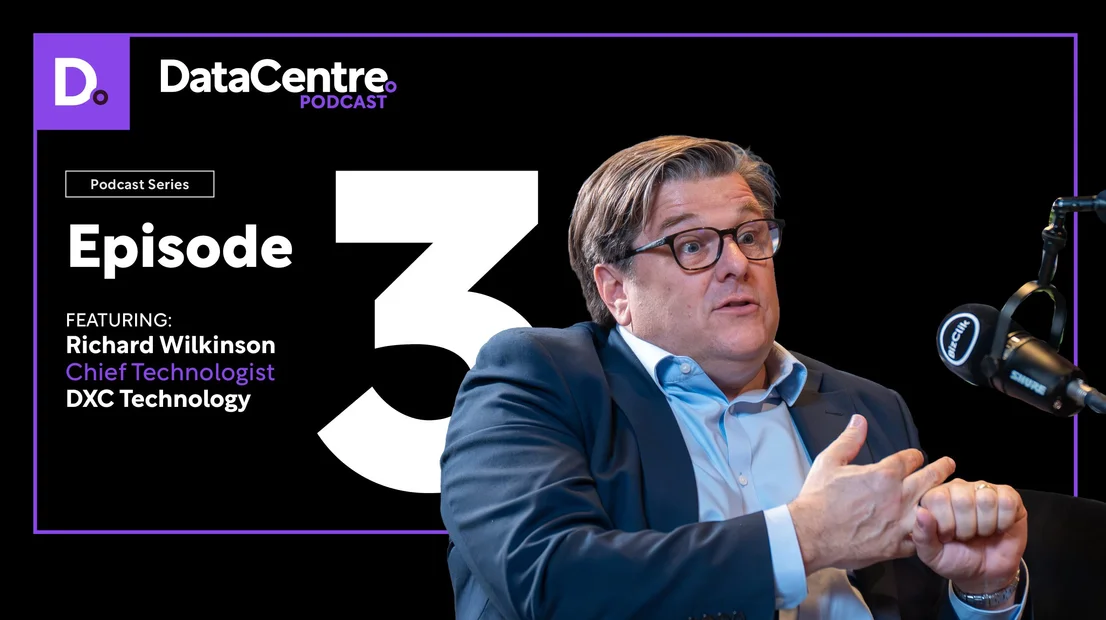
Episode 3 | Richard Wilkinson on AI infrastructure at Scale
Related Podcasts
What does it take to keep the world's most critical digital infrastructure running every single day?
In this episode of the Data Centre Podcast, Richard Wilkinson, Chief Technologist for DXC's Infrastructure Business in Europe, sits down to discuss AI at scale, digital sovereignty, the future of infrastructure planning and why quantum computing could change everything the industry thinks it knows.
Richard oversees infrastructure strategy across 120 to 130 data centre locations in Europe, supporting some of the world's most regulated organisations including banks, airlines, insurers and defence companies, where downtime simply isn't an option. It's a role that reflects DXC's broader mission, one it has been delivering on for 75 years.
🎧 To listen on Spotify click here
▶️ To listen and watch on YouTube click here
In this episode we explore:
- Why AI is now a board-level priority across Europe — and why most organisations haven't yet felt it in their core business
- Why digital sovereignty is reversing thirty years of globalisation and cloud standardisation
- Why pouring concrete for today's AI workloads could be the wrong bet for the next 20 years
- What flexibility actually means when you're building infrastructure designed to last two decades
- Why quantum computing could make today's energy debates look like the wrong conversation entirely
AI at scale: the timer is ticking
AI has moved from absent to third on the priority list of European business leaders in under three years. But Richard is clear about where things actually stand: most organisations have deployed AI tools, few have demonstrated measurable outcomes in their core business.
Writing better emails and summarising documents isn't AI at scale. The infrastructure capable of delivering it is still being built, and until it is, the gap between the promise and the reality will remain. The industry, he says, has a timer ticking against it.
The return of digital sovereignty
For 30 years the industry standardised everything, moved to the cloud and built services that worked identically everywhere in the world, until geopolitics shifted. Suddenly organisations need IT that still runs when there's a war on the border, a pandemic or a supply chain disruption.
That means bringing technology closer to home, and thus reversing decades of offshoring and outsourcing, building locally and understanding local regulatory requirements. Sovereign AI is now reshaping infrastructure strategy across regions and continents.
Be careful where you pour the concrete
Richard's warning on long-term infrastructure planning is worth considering. Data centres are built to last 20 years.
Organisations pouring concrete today to serve current AI workloads are making 20-year bets on technology that didn't exist three years ago, and Richard’s view is that flexibility and adaptability matter more than scale right now, and that the industry should resist over-standardising before it knows who has actually won the AI race.
Don't standardise yet
Richard is old enough to remember the 1980s PC wars, when competing architectures and operating systems fought it out before the market settled. His take on AI standardisation is the same: let everyone experiment, see what works and decide once there's a winner.
Over-constraining the industry now means missing something, and someone else will come along and eat your lunch. It's not a comfortable position for organisations that want certainty, but it's an honest one.
Quantum computing: the conversation nobody is having
Beyond AI, Richard is convinced quantum computing is closer than most people think. DXC has it as a core technology trend for this year. The implications for data centres are significant and largely unaddressed – quantum systems run at near absolute zero, which creates infrastructure requirements that today's facilities aren't designed to meet.
The industry is currently consumed by how to generate and manage more heat and quantum could flip that entirely. It's the conversation the sector isn't having yet, and Richard thinks it should be.
Subscribe and listen
Episode 3 is brought to you by Data Centre Magazine.
Explore more from The Data Centre Podcast
Catch up on Episode 2 of the Data Centre Podcast to hear Vice President at State Street Stephen Bowes-Phipps explore AI infrastructure, energy challenges, sustainability and the future of data centres.
Company portals

Executives

Richard Wilkinson
Chief Technologist