Caterpillar, OnePWR and Vero3: Large Scale, Lower Carbon
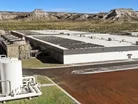
Caterpillar Inc., OnePWR Solutions and Vero3 are collaborating to develop large-scale and lower-carbon power generation in mission-critical facilities, including data centres.
Caterpilllar Inc. is a leading manufacturer of natural gas engines, industrial gas turbines and diesel-electric locomotives. OnePWR Solutions develops microgrids, fixed power plants and other owned-and-operated power generation solutions. Vero3 is an industry leader in carbon management, providing permanent carbon dioxide (CO2) storage solutions, which this partnership between the three companies will also bring.
Data centres are responsible for about 1.5% of the world's total yearly electricity consumption at 415 Terawatt-Hours (TWh) and projections indicate their consumption is set to more than double by 2030, at 945 TWh, according to the International Energy Agency (IEA).
The rise of AI deployment in data centres only accelerates this, as it leads to greater power density in the facilities. Electricity consumption in accelerated servers (usually due to AI adoption) is projected to grow 30% annually, but conventional server electricity consumption growth is slower at 9% per year, the IEA also says.
Inside the collaboration's sustainability techniques
The three companies are collaborating on the design of a fully integrated solution for more sustainable data centres and facilities, including natural gas-based prime power generation, carbon capture and battery energy storage.
The collaboration will combine this solution with permanent geological sequestration of carbon dioxide, which is the process of storing CO2 in underground geologic formations, or rocks.
It will also bring together the sustainability initiatives of the three companies and their unique strengths, for example OnePWR focuses on power generation solutions, Vero3 provides permanent CO2 storage solutions and one of Caterpillar's primary business segments is Power & Energy.
The solutions that Caterpillar will bring include the integration of natural gas and diesel generation equipment, gas turbines and controls, and the company will also lead front-end engineering and design (FEED) activities for carbon capture systems.
OnePWR aims to build, own and operate the power generation and associated infrastructure for reliable, around-the-clock power following their long-term financial agreement with data centre customers.
Vero3 will develop, own and operate infrastructure that captures and permanently stores carbon dioxide through the geological sequestration process. They will also manage tax credit monetisation strategies.
When will the project launch?
The first project is set to launch this year, with the initial development of a 500MW prime power generation site which will lay the foundation for future global deployment.
A LinkedIn post by OnePWR Solutions read: "As energy demand continues to grow, this collaboration represents a significant step forward in providing firm, dispatchable power that aligns with our customers' long-term sustainability objectives." Cat Electric Power, a division of Caterpillar Inc, also stated the same in their own LinkedIn announcement.
What the collaboration means for energy sustainability
The IEA states that all three types of data centres, which are enterprise, colocation and server provider, and hyperscale, all contribute to the world's growth in electricity consumption.
Electricity consumption significantly affects carbon emissions as it is a major driver of greenhouse gases – as a factor itself, it is responsible for over 40% of energy-related CO2 emissions according to the World Nuclear Association.
Renewables have lower life-cycle emissions, and are critical to lowering carbon footprints. Electricity consumption in some regions and times is more carbon-intensive than others, particularly in countries like the US, with the most data centres in the world built in the country by far.
Caterpillar, OnePWR Solutions and Vero3's partnership is vital for sustainable data centre infrastructure and power generation, in addition to the process of geological sequestration for the storage of CO2 in rocks. It will mean that energy by data centres is used more sustainably while supporting their large-scale, lower-carbon initiative.