Generac and EPC Power: Addressing AI Data Centre Needs
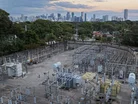
AI workloads are pushing data centre power infrastructure to the brink.
Rapid growth in AI computing creates sudden spikes in electricity demand that traditional systems struggle to manage. To address this, Generac Power Systems and EPC Power are working together to deliver integrated energy systems built specifically for AI data centre environments.
The collaboration combines Generac’s battery energy storage technology with EPC Power’s high-speed inverter systems.
Together, the companies are creating an energy ecosystem designed to stabilise electricity demand across hyperscale facilities where high-density computing clusters place extreme pressure on local power infrastructure.
The integrated systems include Generac SBE Block battery storage, the Generac ARC Controller and EPC Power’s M-System inverters. These technologies work together to manage sudden energy fluctuations that occur when AI workloads scale rapidly across servers and accelerators.
Using AI in data centres can generate sudden power demand spikes. These spikes can disrupt utility equipment or destabilise the grid if infrastructure cannot respond quickly enough. By integrating battery storage with fast-response inverters, the system absorbs and smooths these spikes before they affect the wider power network.
In practice, the batteries store electricity while the inverter converts and regulates that energy for data centre equipment. The inverter responds in milliseconds, balancing power flows between the storage system and the server racks. This stabilises the electrical supply and allows operators to expand AI capacity without overwhelming local energy infrastructure.

Integrated energy systems for hyperscale growth
Data centre operators face increasing pressure from utilities as AI facilities expand their power requirements. Grid operators now expect new facilities to demonstrate the ability to manage energy demand responsibly before approving connections.
The integrated platform from Generac and EPC Power aims to meet these expectations while supporting the operational needs of hyperscale developers. The system operates as a behind-the-meter energy solution, meaning it sits within the data centre’s own electrical infrastructure rather than relying entirely on the external grid and maintains stable operations during periods of high demand.
Erik Wilde, EVP and President of Domestic C&I at Generac, says: “Data centre customers don’t just need more power–they need smarter, fully integrated energy solutions that perform seamlessly under extreme and rapidly changing conditions.
“This collaboration with EPC Power allows us to deliver end-to-end behind-the-meter solutions that meet evolving utility requirements while supporting the performance demands of AI workloads.
“We’re excited by the opportunity to work alongside EPC Power to translate this technology into real world solutions for the data centre market.”
The Generac ARC Controller monitors load behaviour across the facility and directs power between batteries, grid connections and on-site generation sources. This coordination allows the system to respond instantly when power demand changes.
Such responsiveness is critical for hyperscale operators running clusters of graphics processing units and other specialised accelerators. AI training jobs often start simultaneously across thousands of processors, creating sudden load increases that traditional infrastructure cannot accommodate without support systems.
Stabilising power for AI workloads
EPC Power contributes its grid-forming inverter technology as part of the partnership. A grid-forming inverter can actively regulate voltage and frequency, allowing power systems to operate independently of the grid when required. This is particularly useful for facilities that need uninterrupted power availability.
Jim Fusaro, CEO of EPC Power, says: “AI is fueling rapid data centre growth, creating massive power challenges. Traditional systems can’t keep up with dynamic, high-density AI workloads.
“Our collaboration with Generac represents a powerful alignment of expertise and vision.
“Together, we are advancing digital power infrastructure that delivers the resilient, secure, and highly adaptive performance modern AI workloads require –responding in real time to shifting demands, whether operating with or without active grid support.”
Operators often combine grid power with on-site generators or gas turbines to maintain reliable electricity supply. The Generac and EPC Power solution integrates with these energy resources, creating a flexible power architecture capable of supporting both grid-connected and off-grid deployments.
The companies state that their integrated systems enable data centres to deploy additional computing capacity without compromising energy stability. By combining storage, high-speed conversion technology and advanced control software into a single ecosystem, the platform provides the rapid response required by AI-driven infrastructure.
Power stability and responsiveness are now central design considerations for hyperscale developers building next-generation facilities.
The collaboration between Generac and EPC Power shows that energy systems are evolving alongside the computing infrastructure that data centres support.


Executives

Erik Wilde
Executive Vice President
Jim Fusaro
Chief Executive Officer