Honeywell Acquires Nexceris Li-ion Tamer Fire Detection Tech
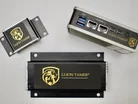
Honeywell has acquired Li-ion Tamer technology from Nexceris to support safety from lithium-ion batteries.
The acquisition follows a five-year partnership between the companies and positions Honeywell to capture growth in the battery safety market as lithium-ion battery demand is expected to grow by more than 30% annually through 2030 to greater than US$400bn.
The move comes as data centres increasingly rely on lithium-ion batteries over traditional battery systems due to their longer lifespan, faster charging times and lower total cost of ownership. However, these batteries present fire hazards when they experience thermal runaway events, which can cause rapid, intense fires that release toxic fumes.
“As lithium-ion battery use grows rapidly across data centers, EV infrastructure and grid-scale energy storage, the risk of fire is increasing in parallel,” says Billal Hammoud, CEO of Honeywell’s Building Automation segment.
The Li-ion Tamer system aims to address these risks through early detection of off-gassing that occurs before thermal runaway events. The technology provides warnings up to 30 minutes before fires can start, giving facility operators time to intervene and prevent incidents.
Targeting thermal runaway prevention
Thermal runaway occurs when lithium-ion battery systems heat up faster than they can release heat, typically due to damage or extreme temperatures. This process triggers exothermic reactions that release additional heat, creating a cycle of escalating temperature that can spread to adjacent cells. The result can be explosions, fires and the release of toxic gases.
Battery failures can stem from consumer mistakes including over-charging, using incompatible charging leads, physical damage from impacts, or exposure to high temperatures that cause overheating.
The Li-ion Tamer system detects the off-gassing that precedes these thermal runaway events, providing early warning before dangerous conditions develop.
Nexceris developed the technology over several years as a clean energy innovator focused on renewable energy applications. Under Nexceris testing, no battery fires have occurred when using the Li-ion Tamer technology, according to the company.
Kyle Shen, CEO of Nexceris, has led the company for more than eight years and holds a Master of Business Administration from Darden School of Business at the University of Virginia.
“Our vision is to create a better world through energy innovations,” he says. “We collaborate with leading global customers and partners to transform powerful ideas into solutions that make energy production safer, more efficient and environmentally responsible.”
Honeywell Building Automation integrates fire detection systems
The acquisition hopes to integrate Li-ion Tamer technology into Honeywell’s Building Automation business, where it will complement existing smoke detection technology and life safety solutions.
This will create a comprehensive fire detection suite that addresses both traditional fire hazards and the specific risks posed by lithium-ion battery systems.
“Li-ion Tamer’s early warning technology has been revolutionary for our customers and partners over the last five years,” says Billal. “Building on our legacy partnership, the acquisition of this product suite will position Honeywell as a leader in early gas detection and battery fire prevention.
“We expect this tuck-in acquisition to further bolster growth of our fire detection business.”
The integration addresses growing concerns about lithium-ion battery safety that have affected consumer confidence in EVs and reduced purchases of lithium-ion batteries for stationary energy storage applications.
By providing early detection capabilities, the technology aims to restore confidence in battery safety across multiple applications.

“I am so proud to welcome the Li-ion Tamer team to the Honeywell Family,” says Katie Davis, Chief Technology Officer, Commercial Fire at Honeywell.
“I am looking forward to shaping the future of Fire Detection together.”
Targeting battery safety solutions
Data centres are increasingly deploying battery systems for backup power and energy storage. The lightweight, high energy density design of lithium-ion batteries makes them attractive for space-constrained data centre environments, but the fire risks require specialised detection and prevention systems.
Honeywell has begun offering Li-ion Tamer technology to its customers, targeting facilities that rely on lithium-ion battery systems for critical operations.
Chris Ladas, CTO Building Management Solutions at Honeywell, highlights the technology’s relevance to current market trends.
“Li-ion Tamer's differentiated technology detects battery off-gassing up to 30 minutes before thermal runaway, helping prevent dangerous lithium-ion battery fires,” he says.
“This is a critical capability as demand for energy storage, EV infrastructure and data centres continues to surge.”
The acquisition positions Honeywell to capture growth in battery safety systems as lithium-ion battery adoption accelerates across multiple sectors.
With the battery market expected to exceed US$400bn by 2030, the demand for safety systems that can prevent fires and toxic gas releases is likely to grow alongside battery deployments.
Kyle adds: “I am excited for Honeywell to continue growing Li-ion Tamer to make lithium-ion batteries safer.”