How Orange and Huawei are Redefining African Data Centres
Africa’s digital infrastructure is expanding, yet gaps in connectivity and power continue to shape how data centres and networks develop.
Extending infrastructure into rural areas links directly to data centre performance, where uptime and energy efficiency determine service delivery.
Orange Middle East & Africa operates across 18 markets with more than 179 million subscribers. Its rural connectivity programme, developed with Huawei, combines renewable energy and AI to address power supply limits that affect telco sites and the wider data centre ecosystem.
At its core, the initiative focuses on energy resilience. As data centres rely on consistent electricity to maintain uptime, energy systems must adapt in regions with limited grid access while supporting growing compute demand.
Energy constraints shape infrastructure design
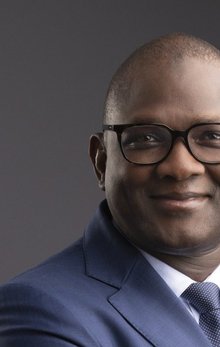
For Ben Cheick Haidara, Deputy CEO of Orange and CEO of Orange Middle East & Africa, the challenge extends beyond coverage into infrastructure fundamentals.
“The main challenge in rural areas, first of all, is the coverage,” he explains. “This is a key challenge. Device affordability is another, along with electricity. Energy is a great challenge in rural areas, too.
“We’re trialling a lot of solutions to overcome this. One of them is the HEHA solar solution, which we’re working on with Huawei.”
The Huawei Enhanced Hybrid power Architecture (HEHA) system combines solar energy with intelligent control. Traditional systems often rely on diesel generators or static solar, which can lead to inefficiencies and downtime.
Electricity is a constraint for both connectivity and the distributed infrastructure feeding into centralised data centres. Without stable power, edge sites struggle to deliver consistent data flows.
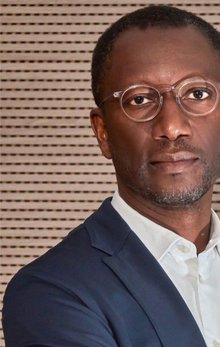
Trials in Côte d'Ivoire show operational gains, as Mamadou Coulibaly, Deputy CEO and COO of Orange Côte d'Ivoire, outlines.
“With Huawei, we’ve rolled out almost 1,200 sites in rural locations,” he says.
“Power consumption is our biggest obstacle – keeping these sites live is a constant challenge.
“This solution has reduced downtime by 45%, which is huge.”
AI-driven energy management supports uptime
Huawei positions the system as a move towards intelligent infrastructure, where AI manages energy distribution in real time.
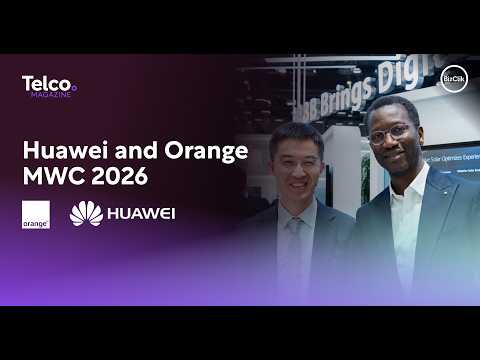
He Yunru, from Huawei’s Wireless Product Line, explains the approach.
“We always put customer requirements first,” he explains, “so we can support strategy with technical innovation.”
He adds: “Working with Orange in Africa, we outlined the top challenges. From here, we provide and operate a reliable network to give the best service.
“We designed our AI-first solar solution after deeply analysing Orange’s network challenges – particularly irregular energy supply and long downtime periods.
“By combining traffic prediction with weather forecasting, we can manage power dynamically. The system predicts demand and optimises energy distribution in real time, implementing smart shutdown strategies that maximise uptime.”
The system Yunru explains uses traffic prediction to estimate demand and weather forecasting to assess solar generation. This allows efficient power allocation, keeping critical systems active.
Reported results include a 55% reduction in downtime and the ability to maintain more than half of traffic during peak stress periods. These gains show how intelligent energy systems support stable infrastructure linked to data centres.
From telco sites to distributed data centres
As edge computing expands, telco sites increasingly act as extensions of data centres, processing data closer to users.
Huawei plans to apply its energy management approach to passive telco sites, introducing AI to improve efficiency. This supports the wider data ecosystem as demand grows.
Ben links this to broader AI adoption.
“We’ll be using AI across our network – from zero-touch operations to customer experience,” he notes.
“From customer value management and next best action tools, there are a lot of use cases where our customers will feel the benefit.”


Executives
Ben Cheick Haidara
Deputy CEO and Chief Operating Officer at Orange Middle East & Africa
Mamadou Coulibaly
Deputy Chief Executive Officer and Chief Operating Officer at Orange Côte d’Ivoire