How AI Data Centres Fuel Record Profits for Samsung
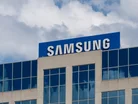
The semiconductor sector is entering a new phase, shaped by the rapid expansion of AI-focused data centres.
Samsung Electronics’ latest earnings guidance reflects this change, with the company projecting first-quarter operating profit of ₩57.2tn (US$38bn) well ahead of expectations.
This single quarter is set to exceed Samsung’s total operating profit for the 2025 fiscal year, highlighting how demand for AI infrastructure is reshaping the semiconductor and data centre landscape.
The figures point to a sharp acceleration in the buildout of physical infrastructure that underpins cloud and AI services.
AI infrastructure drives semiconductor demand
At the core of this growth is the transition from general-purpose computing to AI-driven workloads. Data centres are evolving to support these requirements, relying on specialised hardware designed for high-performance processing.
High-bandwidth memory plays a significant role in this shift, a type of memory that is essential for AI accelerators, which process large volumes of data at speed.
Samsung’s financial guidance reflects this demand, with the company reporting total sales of ₩133tn, marking a 68% increase compared with the same quarter last year.
This growth aligns with the expansion of AI data centres, where operators are deploying more advanced chips and scaling infrastructure to meet rising workloads.
Investment in capacity and technology
To capitalise on this demand, Samsung plans to invest more than ₩110tn (US$73bn), in semiconductor capacity and research during 2026.
This represents a 22% increase in spending and exceeds an approximately $50bn capital expenditure set aside by competitor TSMC.
The investment is directed towards next-generation AI chips and advanced foundry processes. By expanding its foundry capabilities, Samsung aims to strengthen its position in supplying chips used in hyperscale data centres.

The strategy also targets leadership in HBM production. This segment has been dominated by SK Hynix, particularly in supplying memory for NVIDIA’s AI platforms.
Samsung’s continued investment signals an effort to secure a larger share of this supply chain, which is closely tied to data centre growth.
Market pressures and long-term contracts
Samsung’s performance comes amid external pressures, including rising energy costs linked to geopolitical tensions in the Middle East.
Energy pricing is a critical factor for data centres, where power consumption represents a major operational cost. Despite this, demand for AI infrastructure continues to support strong semiconductor growth.
The company reports an estimated operating profit of ₩57.2tn for the first quarter of 2026, representing a 755% increase compared with ₩6.69tn in the previous year.
Alongside revenue growth, Samsung’s share price has risen by 60% since the start of the year.
Looking ahead, Samsung is adjusting its commercial strategy to align with sustained demand from data centre operators.
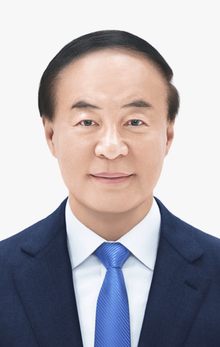
Co-CEO Jun Young-hyun informed shareholders at the 57th Annual General Meeting in March that the company is negotiating contracts spanning three to five years with major customers, moving away from shorter-term agreements.
In the January 2026 Macquarie Equity Research report, technology analyst Daniel Kim says: “The fact that customers want such long-term contracts means that they do not expect the supply crunch to ease in the next three to five years."
Long-term agreements provide greater certainty for both semiconductor suppliers and data centre operators as infrastructure projects scale and require consistent access to advanced components.