
Green Strategy: How Microsoft is Confronting AI Emissions
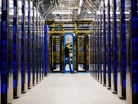
Tech giant Microsoft has reported a 30% increase in emissions since 2020, primarily on account of its expanding AI data centre operations, according to its latest sustainability report.
In February 2025, Microsoft published Accelerating Sustainability with AI: Innovations for a Better Future, which builds upon its 2023 sustainability framework. The report examines progress across several initiatives designed to balance AI advancement with environmental responsibility.
- Invest in AI for sustainability
- Develop infrastructure for the inclusive use of AI for sustainability
- Minimise resource use in AI infrastructure
- Advance AI policy principles and governance
- Build workforce capacity to use AI for sustainability
In response, the company has outlined its strategy to combat this trend through targeted investments in renewable energy technologies and infrastructure developments that could benefit the data centre industry globally.
“At Microsoft, we believe the world needs AI that is broadly accessible and trustworthy, this also includes addressing the sustainability challenges associated with this technology,” says Brad Smith, Vice Chair and President and Melanie Nakagawa, Chief Sustainability Officer, in the foreword of the report.
Prioritising sustainable AI
Significantly, Microsoft has invested in LineVision, which is currently working with National Grid in Upstate New York to deploy dynamic line rating technology on transmission lines.
This technology has demonstrated the ability to increase transmission capacity by up to 60% in certain regions, potentially addressing power constraints that have limited data centre development.
Such a focus on optimising the grid comes as the company acknowledges that more than 40% of global CO₂ emissions stem from fossil fuel combustion for electricity generation.
“One lesson from this last year is that minimising the sustainability impact of AI operations requires more than minimising resource use in datacenter operations; it also requires supporting the communities where data centres are located and expanding access to zero carbon electricity,” Brad says.

Microsoft is also working directly with renewable energy companies in order to optimise its energy production.
The company reports that reinforcement learning and Microsoft Azure high-performance computing (HPC) can optimise wind farm performance, predict maintenance requirements and enhance production efficiency.
“Without access to sufficient, high quality data and robust digital infrastructure, the full potential of AI's game-changing capabilities cannot be realised.”
These efforts align with the growing need for reliable renewable energy sources to power energy-intensive AI workloads in data centres worldwide.
Addressing data collection challenges
Beyond energy concerns, the report highlights infrastructure gaps that limit AI applications in environmental monitoring. It notes that nearly 80% of biodiversity data originates from just 10 countries in the Northern Hemisphere, creating significant geographical disparities in environmental datasets.
To address this imbalance, Microsoft has developed SPARROW, an AI-driven edge computing solution designed for remote deployment. The system operates autonomously using solar power and collects biodiversity data through integrated sensors, camera traps, acoustic monitors and environmental detectors.
This technology could provide data centre operators with enhanced capabilities for monitoring environmental impacts at facility locations, particularly in regions with limited existing data infrastructure.
Melanie shares on LinkedIn: “More than ever, the risk of wildfires is at the forefront of climate concerns. A complex interplay of weather, vegetation and land and water management practices contributes to these dangers.
“Through our Climate Innovation Fund, Microsoft is investing in AI solutions like Vibrant Planet to analyse vast amounts of data within these systems to better predict and manage wildfire threats.”
Placing a dual focus on energy systems and environmental monitoring reflects Microsoft's recognition that data centre sustainability requires both operational improvements and broader ecosystem considerations.
Brad says: “Across our sustainability work, we regularly assess our progress and adjust our strategies for greater impact.”
Explore the latest edition of Data Centre Magazine and be part of the conversation at our global conference series, Tech & AI LIVE and Data Centre LIVE.
Discover all our upcoming events and secure your tickets today.
Data Centre Magazine is a BizClik brand
